Need tree removal help in Waynesville?
Tree down or stump in the way? Request a callback to check provider availability, or send a request and describe the job.
No obligation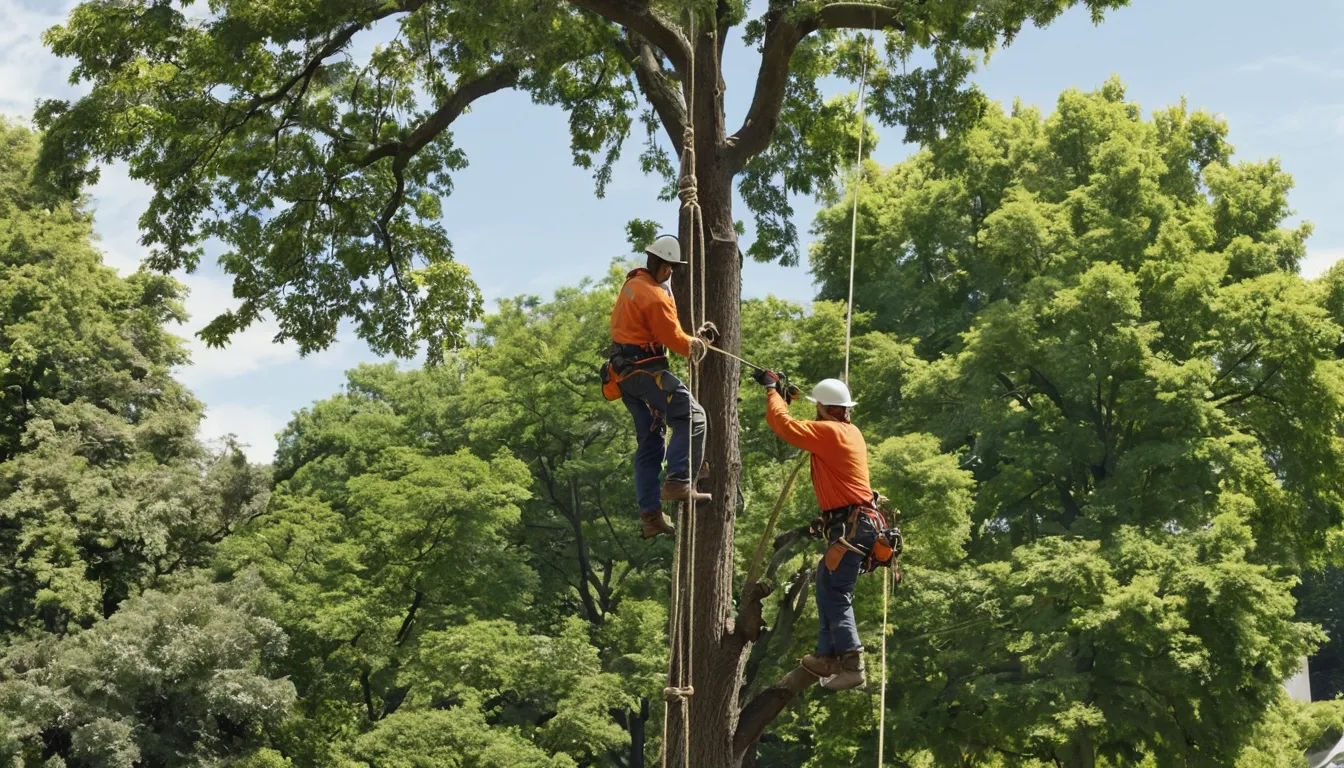
Commandis Tree Service is a referral service. We connect homeowners in Waynesville and the Waynesville area with independent providers who handle tree removal. The providers do the work. We help you reach them and describe the job clearly.
Tree removal covers leaning trees, dead trees, storm-damaged trunks and trees too close to the house. A provider checks the tree, the ground and the access route. Then you get a plan and a written quote. Older homes get extra attention, because aging roofs, past repairs and hidden pipes can change how a tree should come down. Request a callback to check provider availability, or request an estimate and describe what you see.
Tree trouble feels loud. The fix is orderly. Get everyone away from the tree, then decide how urgent the job is.
Treat it as urgent if any of these are true:
If a line is down or sparking, stay back and contact the utility and emergency services first. Never touch a tree that is touching a wire.
Move people and pets indoors, away from the side the tree is on. Take photos from a safe spot. Do not climb on it, cut it or pull at it.
If the tree hit the house, shut off water or power only if the shutoff is far from the damage. Set buckets under any leaks.
Request a callback to check provider availability. Say what fell, where it sits and what it touches. Short, plain facts help a provider decide what equipment to bring.
A dead tree that still stands upright, a crowded yard or a tree you simply want gone is a planned job. Request an estimate, compare written quotes and choose a date.
Do not let it drift for years, though. Dead wood drops limbs without warning, especially after ice or hard thunderstorms.
The provider looks at the tree, the soil and the route in and out. They note the drop zone, which is the area where the tree or its pieces will land.
A tree in open ground may be felled in one piece. A tree near a building is usually taken down in sections. Ropes or a crane lower each piece. This is called rigging.
Brush and logs are hauled off or left cut to size, as agreed. Ask what is included before the work starts.
Frame houses, bungalows and ranch homes from past decades hide surprises. Aging roof sheathing may be softer than it looks. Old flashing, patched chimneys and past repairs can fail under a small shock.
Older yards often have clay or cast iron sewer lines, and roots may already be wrapped around them. Full basements with sump pumps add another factor: heavy equipment on wet spring ground can leave deep ruts or stress drain lines.
Tell the provider the age of the house and any known repairs. That can push the plan toward careful rigging instead of a straight drop.
Size and height matter most. So do access, tree condition and nearby hazards such as wires, fences or roofs. Crane use and debris haul-away add cost. Storm jobs can price differently from planned ones. See the table below for typical ranges, and always get a written quote.
Some towns require a permit for large or protected trees. Utilities may control work near power lines. A homeowners association may have its own rules. Ask the provider what they handle, and check with your local office if you are unsure.
Ask for these before you agree:
Be wary of door-to-door offers after a storm. Get the quote in writing.
Walk the yard with the provider. Check the roof, gutters, fence and lawn. Take photos of any damage.
Some policies may cover sudden damage, so check your policy. Providers can often help document damage for a claim. Fill ruts, reseed bare spots and think about replanting a smaller tree farther from the house.
One clear description gets you a better quote. Note the tree size, its position and what it touches.
A provider checks the tree, soil, roof and access route before choosing tools and a cutting plan.
Trees near homes are cut in pieces and lowered with ropes or a crane to protect roofs.
Brush and logs are hauled away or cut to size, depending on the scope in your written quote.
Dead, leaning or storm-split trees can be taken down to protect your house, yard and family.
Prices across the U.S. vary by tree size, access, condition and local rates. These ranges are typical, not quotes. Ask each provider for a written quote that lists exactly what is included.
| Job | Typical range | Notes |
|---|---|---|
| Small tree (under 30 ft) | $150 – $700 | Open access, simple drop |
| Medium tree (30–60 ft) | $400 – $1,500 | Often cut in sections |
| Large tree (60+ ft) | $1,000 – $3,000+ | Rigging or crane may be needed |
| Tree near house or lines | $800 – $3,500 | Extra care and equipment |
| Storm-damaged tree | $500 – $4,000+ | Depends on what it has hit |
| Debris haul-away | $100 – $600 | Sometimes bundled in the quote |
Move everyone away from the tree and take photos from a safe distance.
Share its size, lean, location and anything it touches, such as a roof or wires.
We pass your details to an independent local provider who checks availability.
Confirm scope, cleanup, timing and price in writing before you approve the work.
You get short, ordered guidance on what to do first, so you can act calmly.
Independent providers in our network know local soil, weather and housing styles.
We prompt you to share house age and past repairs so providers can plan safely.
Request an estimate and compare. You decide whether to book the work.
Tree down or stump in the way? Request a callback to check provider availability, or send a request and describe the job.
No obligationLook for a leaning trunk, deep cracks, hollow spots, mushrooms at the base, or many dead branches. Roots lifting the ground are another warning. A local provider can inspect the tree and tell you if removal is needed.
Typical U.S. prices run from a few hundred dollars for a small tree to several thousand for a large or hard-to-reach one. Costs vary by job, so get a written quote.
It depends on your town. Some places require permits for large or protected trees, and utilities may limit work near lines. Ask the provider and check with your local office if unsure.
Tree down or stump in the way? Request a callback to check provider availability, or send a request and describe the job.
No obligation