Need stump grinding in Waynesville?
Tree down or stump in the way? Request a callback to check provider availability, or send a request and describe the job.
No obligation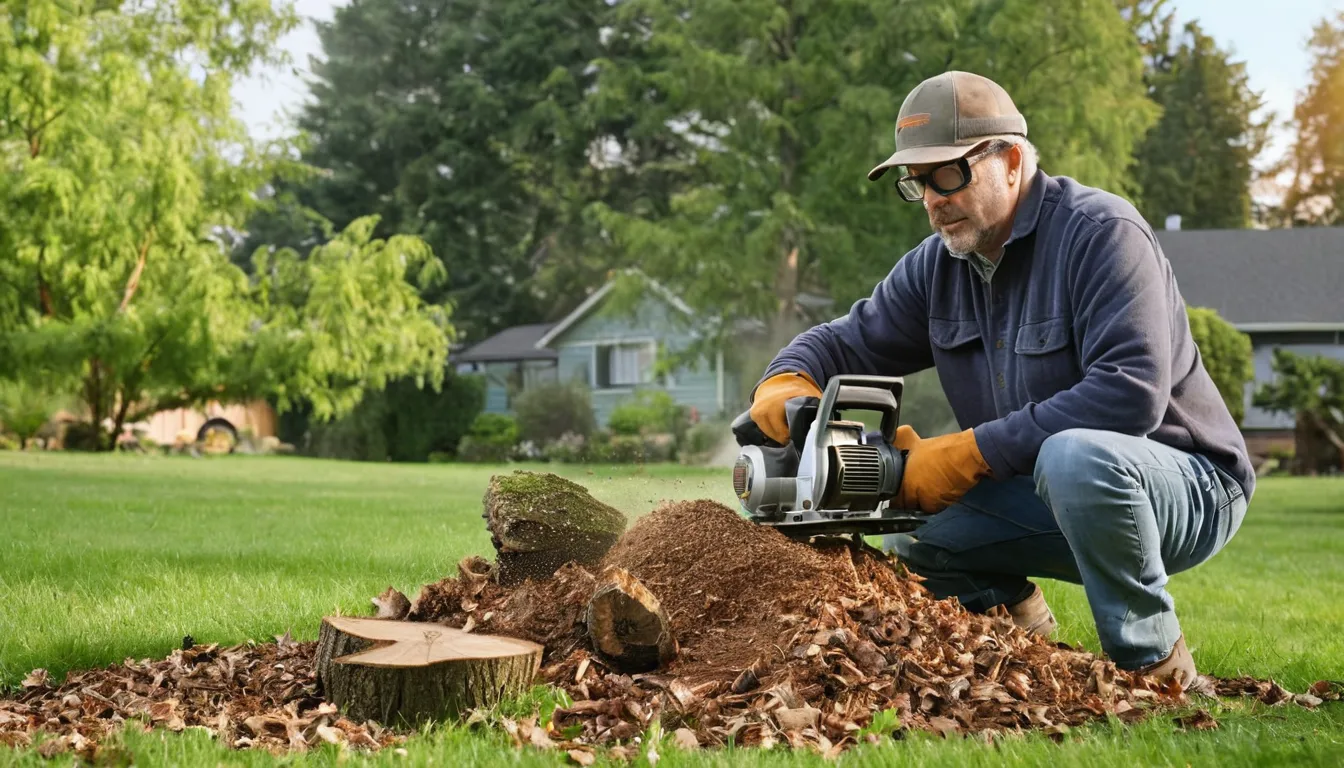
A stump looks harmless, but it trips people, snags mowers and invites pests. Commandis Tree Service is a referral service. We connect homeowners in Waynesville and the Waynesville area with independent providers who grind stumps.
Stump grinding uses a machine with a spinning cutting wheel. It chips the stump into mulch, usually a few inches below ground. Providers in our network can handle fresh stumps from storm tree clearance and old ones left behind for years. Request a callback to check provider availability, or request an estimate and describe your stump. The provider does the work and explains the details before starting.
A stump is not an emergency in the way a fallen tree is. Still, some stumps need attention soon. This page covers stump grinding, from the most time-sensitive issues to the routine ones.
If a tree just came down in a storm, keep clear of the stump and the area around it. Wet ground, loose roots and splintered wood can shift. Take photos from a safe distance. Do not try to pull, cut or burn the stump yourself.
If the tree itself is still on the ground or leaning, that is a separate job. A provider handles it first. Stump work comes after the tree is cleared.
A tree that snaps in a thunderstorm often leaves a jagged, tall stump. Sharp wood can injure kids, pets and anyone walking the yard at dusk. Mark it with a bright cone or a chair for now. Then ask a provider about grinding.
A stump near a path is a trip hazard. In winter, snow hides it. Deep frost can also shift the ground around it. If people use that route daily, move it up your list.
Many species send up new shoots from a living stump. Cutting the shoots only buys a few weeks. Grinding removes the part that feeds them. A provider can explain what is left in the soil.
A decaying stump softens over time. That sounds harmless, but it brings trouble.
On a house that has stood for many decades, a nearby stump deserves a closer look. Termites feeding on old wood can reach a frame house that has some wood near the ground. Tell the provider how close the stump is to the foundation.
The provider positions a grinder over the stump. The cutting wheel sweeps side to side and works down in passes. The wood turns into chips and sawdust. Most jobs reach about 6 to 12 inches below ground. Deeper grinding is possible if you plan to plant a new tree in the same spot.
Grinding leaves a mound of mulch. Roots stay in the ground and decay slowly. Large roots near the surface can be followed and ground too, which providers often price separately.
Grinding cuts the stump down. Removal digs out the stump and the main root ball. Grinding is quicker, causes less yard damage and costs less. Removal makes sense when you need to build over the spot or the roots affect a pipe or slab.
Ask the provider which fits your plan. If you only want a clean lawn, grinding is usually enough.
Grinding does not reach far underground, but roots can wrap around pipes and cables. Older properties often have clay sewer lines, old drain tile or buried lines that were never mapped. Past repairs may have moved things. Tell the provider what you know about this area.
Many homes here have full basements with sump pumps. If a discharge line or drain runs near the stump, point it out. Spring flooding makes these lines important to protect.
Size is the biggest factor. Diameter, number of stumps, root spread, hard wood and tight access all change the quote. Rocks, metal and old fence wire in the stump slow the work. A stump from a past removal that has gone hard and dry can take longer than a fresh one.
Get a written quote that lists what is included. See the cost table below for typical U.S. ranges.
A small grinder can fit through a narrow gate. Large ones may need more room. Mention the gate width and any steps when you request an estimate.
Some homeowners buy a house with stumps already in the yard. Others had a tree taken down years ago and never finished the job. These stumps are often rotted at the center, which can be easier on the machine but harder to judge. Hidden voids, buried debris and old concrete can be inside.
A provider will look at it first and tell you what they see. If you do not know the history of the yard, say so. It helps the provider plan.
You can leave the chips to settle, spread them in a garden bed or ask the provider to haul them off. Fresh wood chips pull nitrogen from soil, so avoid using a thick layer near young plants.
Fill the hole with topsoil, tamp it and plant grass seed. Expect the ground to sink a bit as roots decay, so top it off later. If you plan a patio or a deck footing, ask about full removal instead.
Request a callback to check provider availability, or use the request form to share photos of your stump.
A provider grinds the stump below ground level and leaves mulch ready for use.
Large roots above ground can be ground too, which clears mower paths and trip points.
Jagged stumps left after storm tree clearance can be cut down once the tree is gone.
Ask about raking, mulch haul-away and topsoil fill so the yard is ready for new grass.
These are typical U.S. ranges for a single visit. Prices vary by stump size, wood type, access and region, so always get a written quote before work starts.
| Item | Typical range | Notes |
|---|---|---|
| Small stump (under 12 in.) | $100 – $250 | Easy access, soft wood |
| Medium stump (12–24 in.) | $200 – $450 | Common yard tree size |
| Large stump (over 24 in.) | $400 – $900 | More passes, more time |
| Several stumps, one visit | $300 – $1,200 | Often quoted per stump or by hour |
| Surface root grinding | $50 – $300 | Depends on length and number of roots |
| Debris haul-away | $50 – $200 | Ask if mulch is left or removed |
Request a callback or send the request form with stump size, location and a few photos taken safely.
A local provider checks access, size, roots and nearby lines before giving a quote.
Agree on grind depth, cleanup and timing in writing before work starts.
The provider grinds the stump, handles the chips as agreed and walks you through the result.
Providers in our network work in your area and know local soil, frost and storm conditions.
Short steps and clear terms help you decide without pressure.
Tell us about pipes, past repairs and old lines so the plan fits.
Ask each provider for a quote in writing, with scope and cleanup listed.
Tree down or stump in the way? Request a callback to check provider availability, or send a request and describe the job.
No obligationMost providers grind 6 to 12 inches below ground. If you plan to plant a tree or build over the spot, tell the provider so they can grind deeper or suggest full removal.
Often yes. Fill the hole with topsoil, remove most of the wood chips and seed. The ground may settle as roots decay, so plan to top it off again later.
No. Grinding chips the stump below the surface and leaves roots to rot. Removal digs out the stump and main roots, which costs more and disturbs more of the yard.
Tree down or stump in the way? Request a callback to check provider availability, or send a request and describe the job.
No obligation